
The Answer Came First
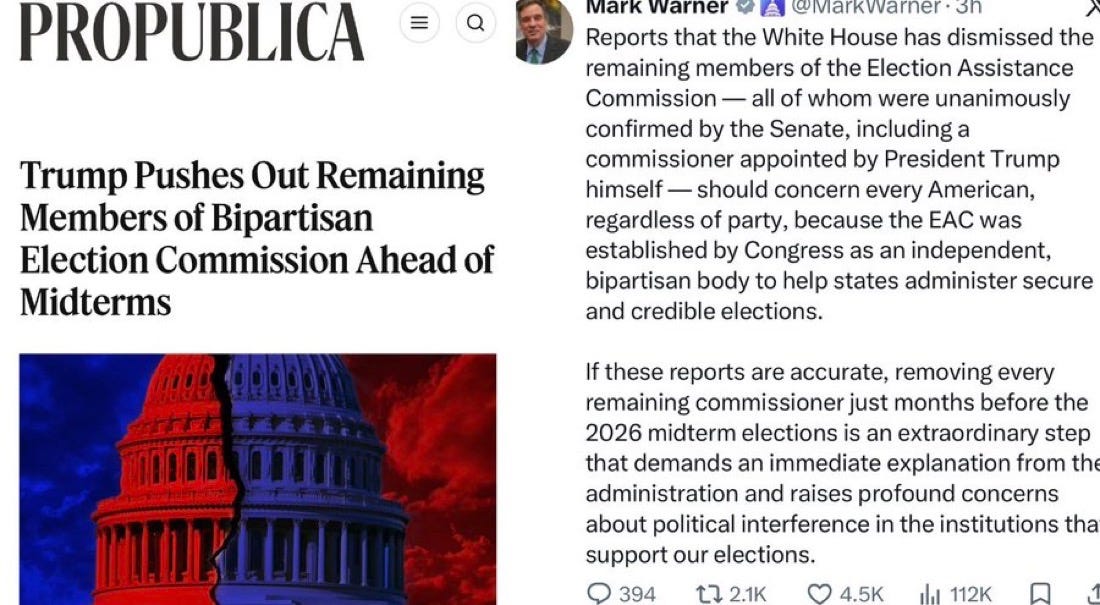
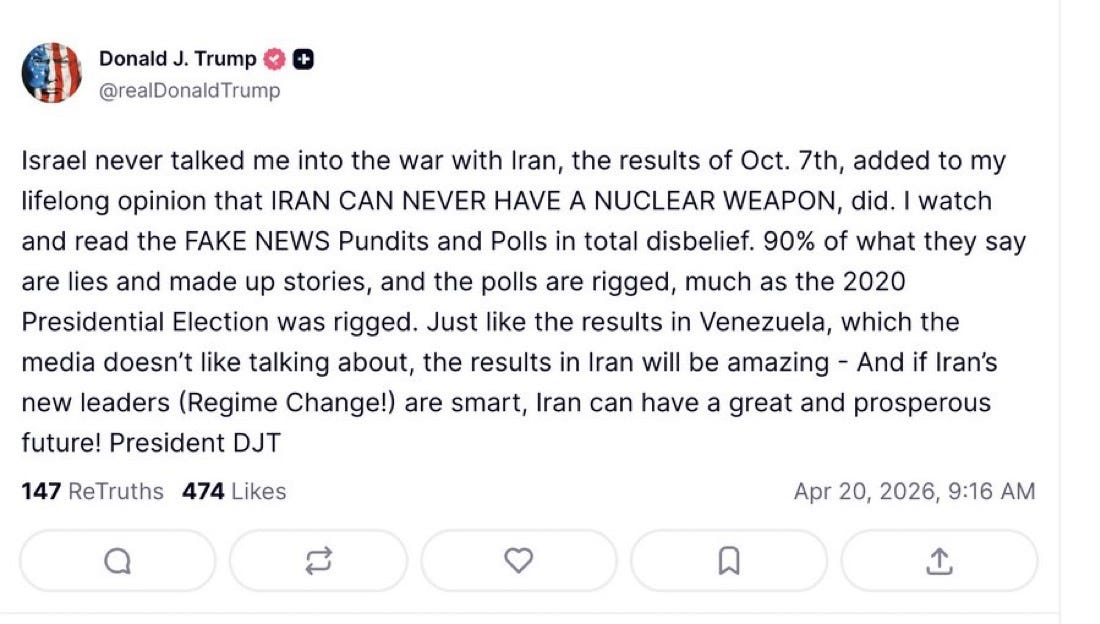
Trump demanded evidence that 2020 was rigged. His government went looking for intelligence that would support the claim.

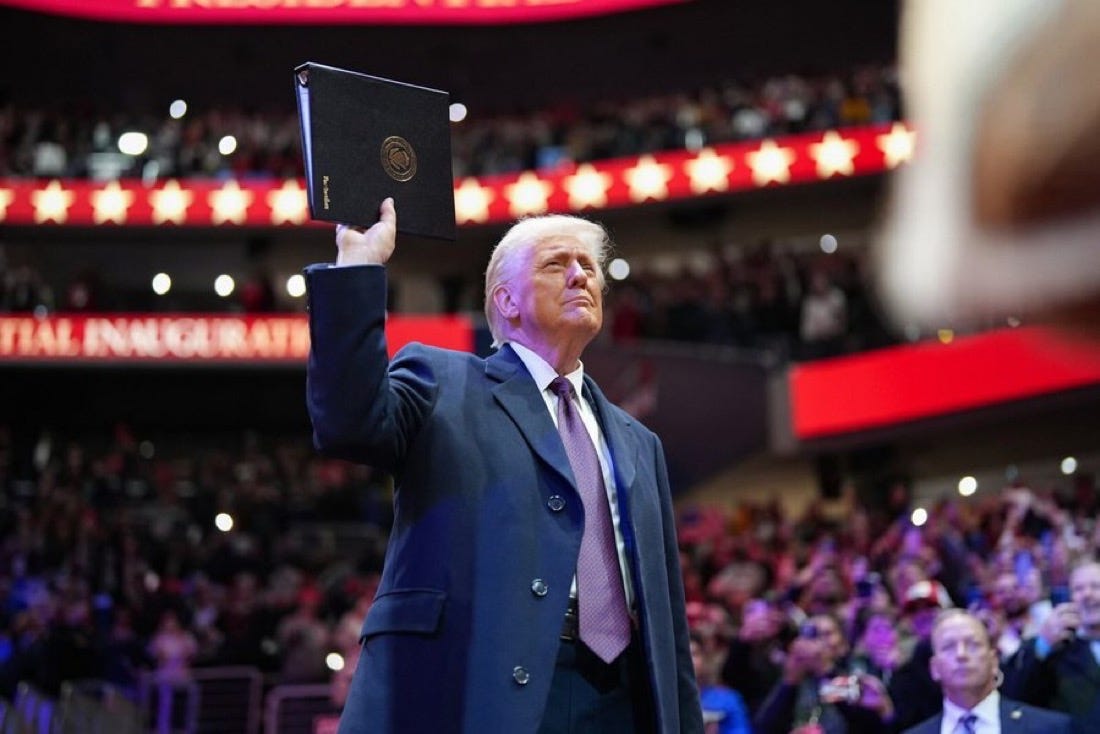
This is the first installment of The Second Campaign Against the Vote, a new Fourth Turning Point series tracking how Trump’s administration is using federal institutions to revisit the election he lost and what that machinery could mean for the next one.
I started The Fourth Turning Point to study institutions under pressure and put warnings on record before the outcome becomes obvious.
Free elections, constitutional government, the rule of law, and the peaceful transfer of power belong to neither party. They are the terms under which either party gets to govern at all.
Donald Trump tried to overturn the 2020 election after the American people voted him out. The MAGA faction that defended him chose loyalty to one man over loyalty to the Constitution.
Thursday’s evidence will still be examined on its merits. If the administration produces genuine evidence of a foreign attack on American voting systems, it should be investigated, exposed, and corrected.
Authentic documents will not be allowed to carry conclusions they do not support. National-security language will not be treated as a substitute for evidence.
A republic cannot survive if every defeat becomes fraud, every opponent becomes illegitimate, and every presidential grievance can be converted into an official finding of the United States government.
Data cutoff: 10:17 p.m. ET, July 14, 2026.
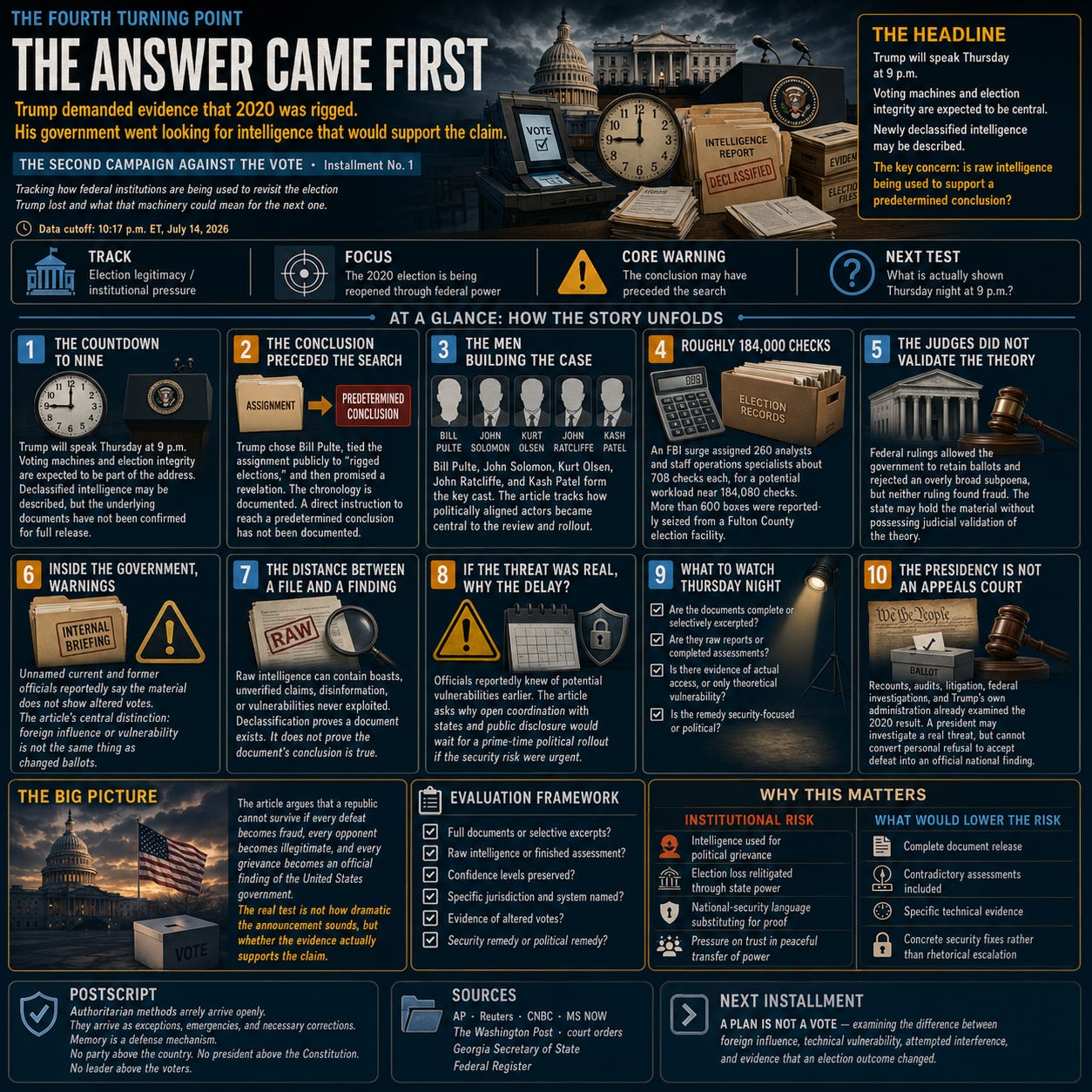
The Countdown to Nine
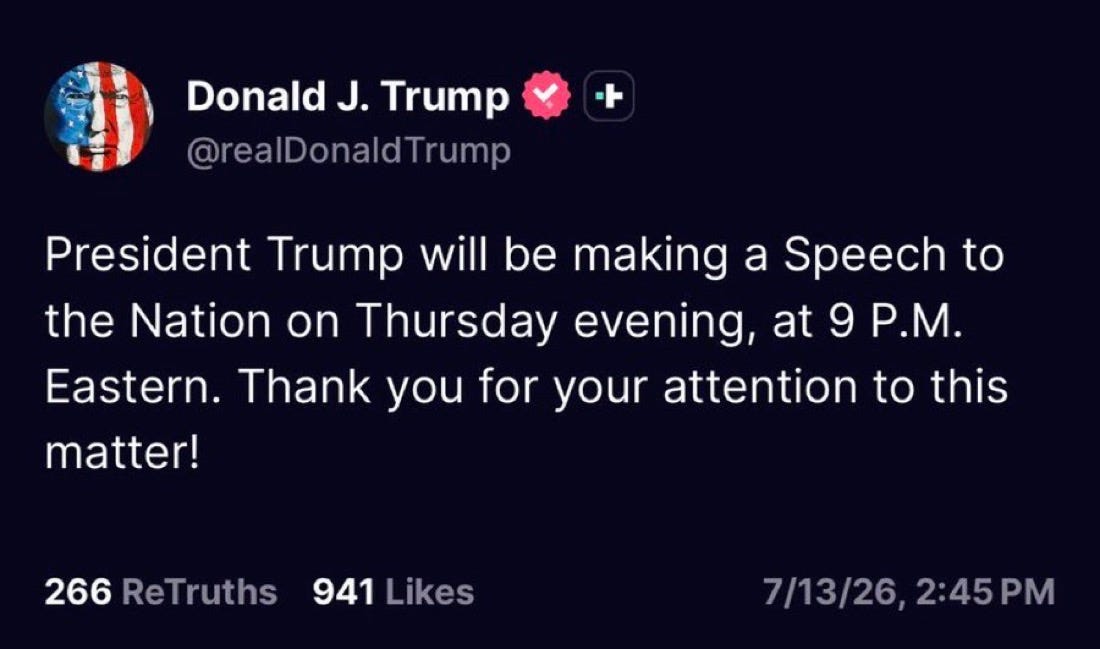
Confirmed: Trump will speak Thursday at 9 p.m. He has confirmed that voting machines and election integrity will be part of the address.
Trump called the announcement “really, really big news” and said the country “has to shape up.” He has said other subjects will be addressed but has not identified them.
Credibly reported, but not confirmed on the record by the White House: Newly declassified intelligence is expected to be described and may be released. Publication of the underlying documents remains unconfirmed.
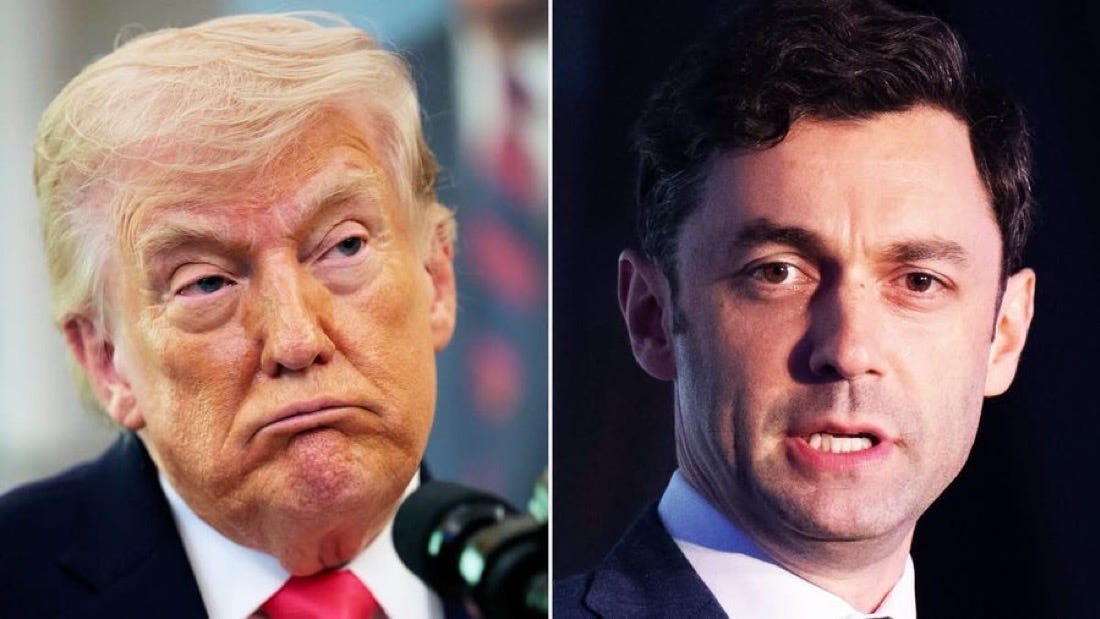
The intelligence reportedly concerns foreign influence operations and voting-machine vulnerabilities. One White House official told MS NOW that Ratcliffe, Pulte, Patel, and Homeland Security Secretary Markwayne Mullin are expected to participate in the rollout. Whether all four will appear with Trump remains unclear.
MS NOW reports that a White House task force has reviewed thousands of intelligence and law-enforcement documents for possible release. Reuters independently confirms the task force’s existence but describes it as recently formed.
Georgia’s 2020 presidential result and Senate runoffs have reportedly been considered for inclusion.
Still unconfirmed: Which countries Trump will name; whether he will claim votes were changed or the outcome altered; whether he will name Ossoff or Warnock; whether he will announce executive action; and whether the underlying documents will be published in full or described secondhand.
The contradiction: The White House is promoting a historic announcement while telling reporters that nobody can say what Trump will ultimately announce because the speech remains unfinished.
Both messages are coming from the same building in the same week.
The Conclusion Preceded the Search
Trump selected Bill Pulte in early June to replace Tulsi Gabbard as acting Director of National Intelligence. Pulte assumed the role after Gabbard’s departure later that month.
Pulte had no previous intelligence or national-security experience.
Before any discovery had been publicly identified, Trump said Pulte might uncover information about “rigged elections.” Senate Majority Leader John Thune warned against installing a “weaponized” intelligence chief. Mitch McConnell said anyone performing the role needed the extensive national-security experience required by statute.
After bipartisan resistance, Trump said he would not nominate Pulte permanently. Neither his Secretary of State nor his Treasury Secretary defended the selection when asked.
The sequence raises the risk that the assignment preceded and shaped the analysis.
Trump selected Pulte, publicly connected his assignment to elections he calls “rigged,” and authorized him to declassify material related to 2020. The promised revelation followed.
The chronology is documented. A direct instruction to reach a predetermined conclusion has not been documented.
The Men Building the Case
Bill Pulte
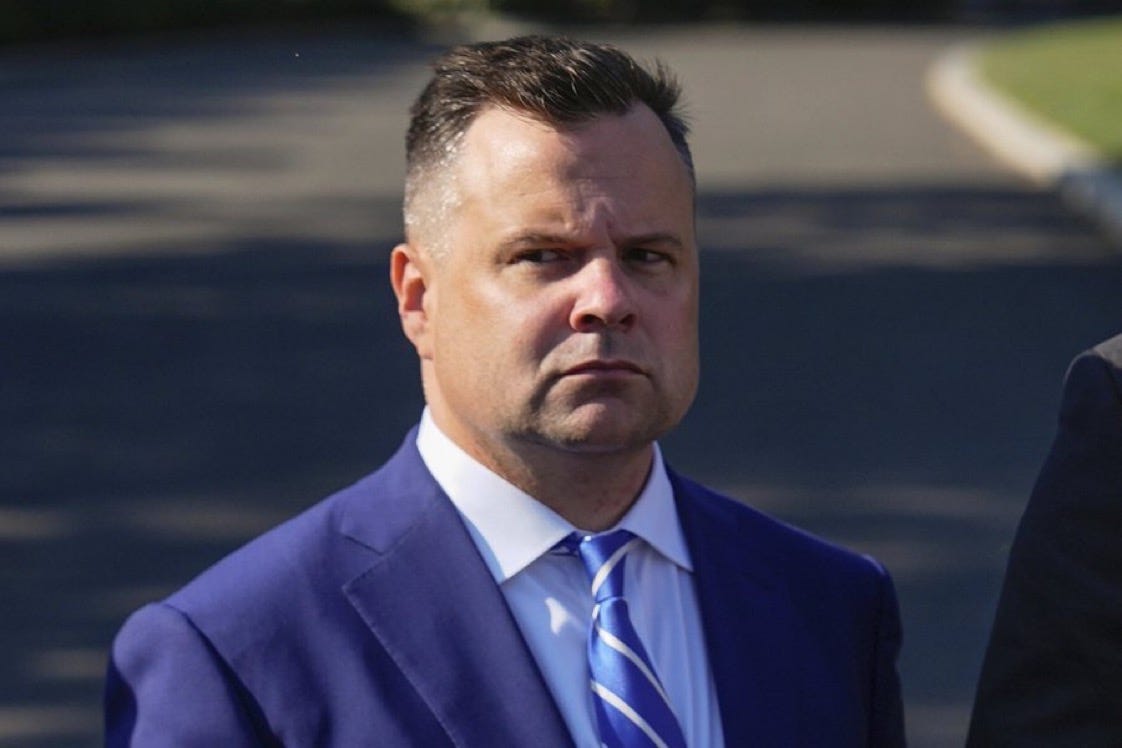
Pulte now oversees the 18-agency intelligence community without previous intelligence or national-security experience.
He built a public profile by filing mortgage-fraud referrals against Trump’s political opponents, including Letitia James, Adam Schiff, Lisa Cook, and Eric Swalwell. He then gained access to intelligence involving Trump’s defining political grievance.
John Solomon
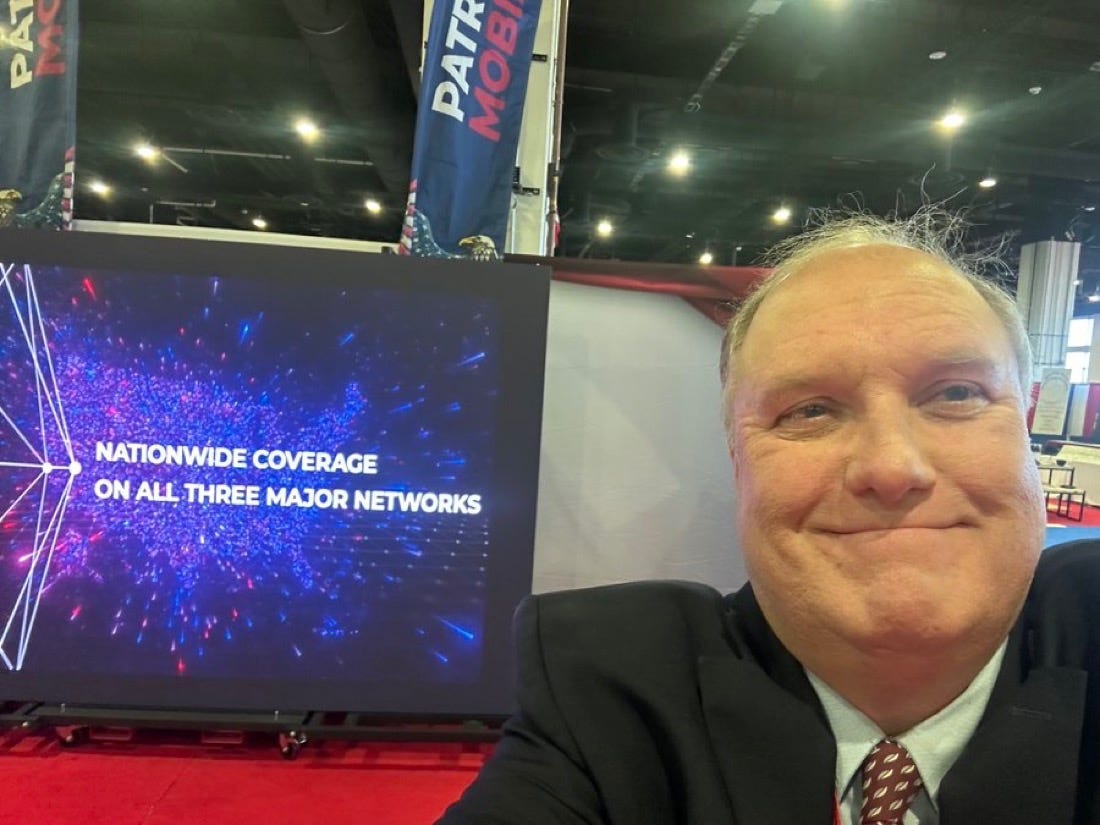
John Solomon reportedly joined the project as a special government employee. MS NOW reports that he has participated in decisions about which classified materials should be released.
Reuters separately reports, citing one source, that Solomon is working with the task force and sought access to files connected to Ratcliffe’s dissent from the 2021 intelligence assessment.
There is a reported precedent. During Trump’s final days in office, Mark Meadows reportedly invited Solomon to review material connected to the Crossfire Hurricane declassification.
The continuity is narrow but relevant: politically sensitive intelligence was opened to a favored outside interpreter who already possessed a public platform. Disputed allegations involving an unredacted binder from that episode are unnecessary to establish that connection.
Kurt Olsen

Kurt Olsen worked to challenge the certified 2020 result before serving as White House director of election security and integrity.
His referral helped initiate the Fulton County investigation, according to The Washington Post. He later joined the US Attorney’s Office for the Southern District of Florida, where prosecutors are examining whether previous investigations of Trump constituted a criminal conspiracy against him.
Reuters reports that it remains unclear whether Olsen’s election-related work has been incorporated into his Justice Department role.
John Ratcliffe
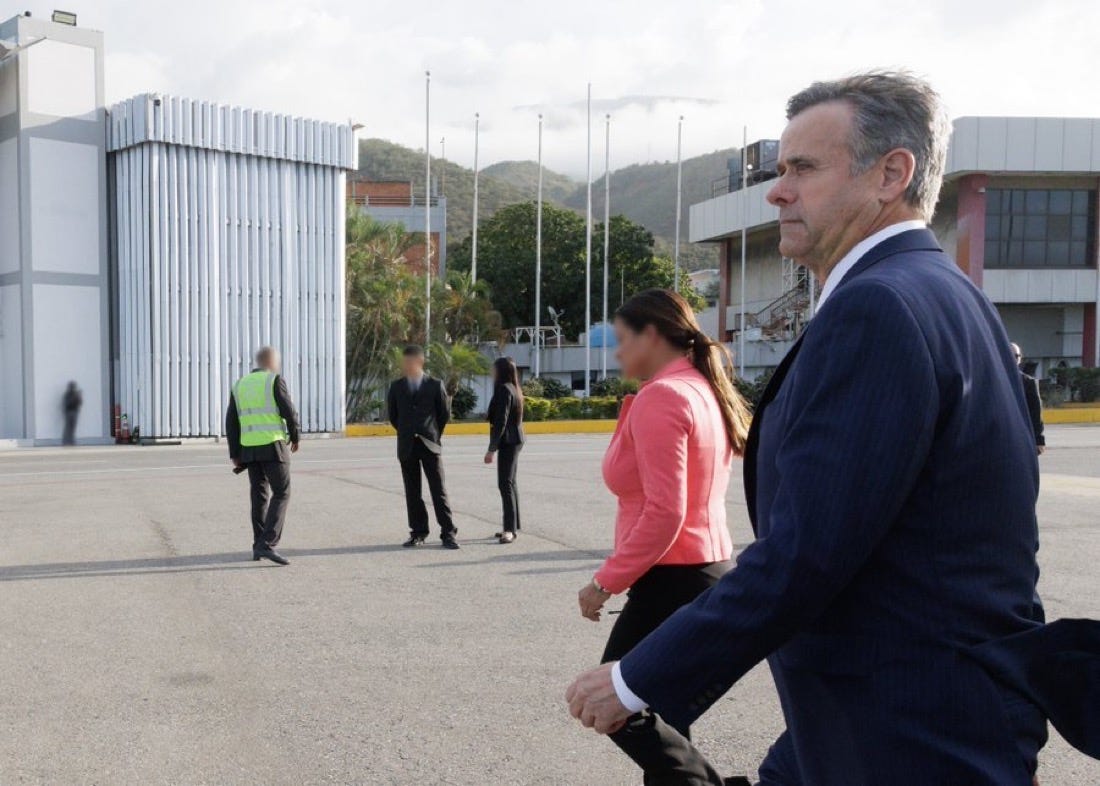
Ratcliffe was Director of National Intelligence when the 2020 intelligence was originally assessed. He dissented from the majority’s characterization of Chinese influence activity.
He did not claim that China altered votes or penetrated election systems. That distinction has remained intact for five years.
If Ratcliffe supports a different conclusion Thursday, he should explain what evidence changed between January 2021 and now.
Kash Patel
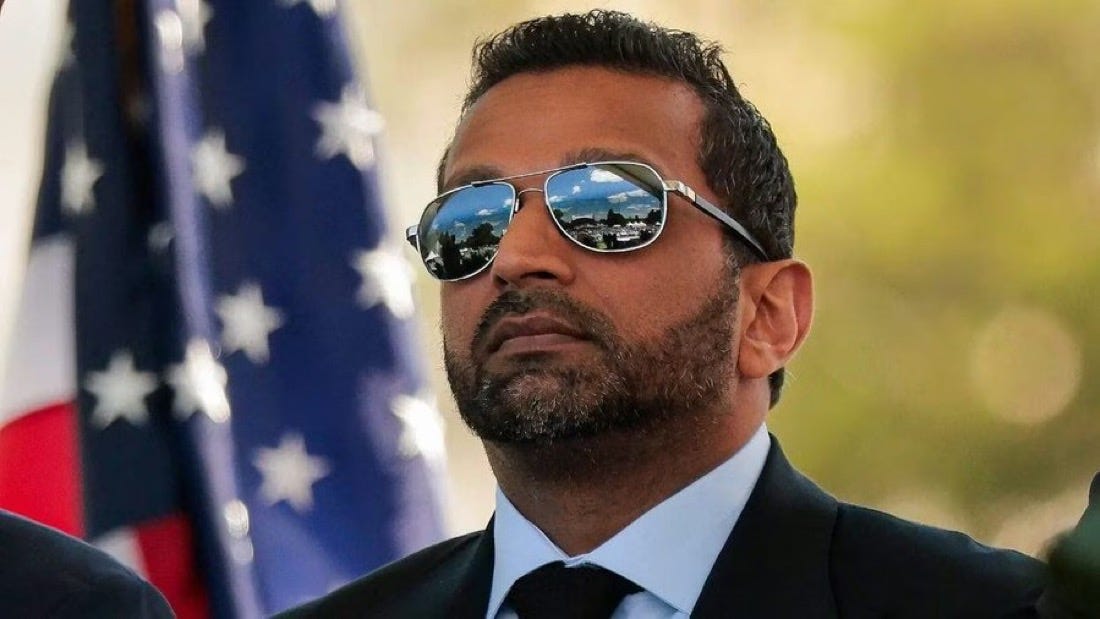
Kash Patel leads the FBI while it conducts the Fulton County surge described below. He is also expected to participate in Thursday’s rollout.
Roughly 184,000 Checks
An FBI memo ordered a surge of 260 investigative analysts and staff operations specialists, each assigned an estimated 708 record checks.
That produces a potential workload of approximately 184,080 checks, with a July 17 deadline falling one day after Trump’s speech. Overtime, including weekends and holidays, was authorized. The surge is separate from agents already assigned to the case.
In January, the FBI seized more than 600 boxes from a Fulton County election facility. The material reportedly included physical ballots, ballot images, tabulator tapes, and voter records.
The election has already been counted three times, including once by hand. Each count confirmed Joe Biden’s victory.
The scale proves that the administration has committed extraordinary government resources to relitigating a defeat from six years ago.
Whether those resources uncovered evidence remains unanswered.
The Judges Did Not Validate the Theory
Two federal rulings bracket this investigation. Neither provides the vindication sometimes attributed to it.
In May, Judge J.P. Boulee allowed DOJ to retain the seized ballots because Fulton County had not met the legal standard required to recover them.
He made no finding that fraud occurred.
Boulee called aspects of the investigation “troubling” and described the affidavit as “defective in some respects” and “far from perfect.” DOJ had identified no individual targets and did not dispute that the limitations period for the two offenses appeared to have expired.
In July, Judge William Ray, a Trump appointee, ruled on a separate subpoena seeking personal information about Fulton County election workers and volunteers.
Ray called the subpoena’s scope “staggering,” quashed it, and warned that grand jury authority did not permit DOJ to do whatever it wanted. He also found that the requested information could not support criminal charges because the limitations period had expired.
The government may possess the ballots. It does not possess a judicial finding that they were fraudulent.
The People Inside the Government Are Warning the Country
This reporting requires careful treatment because its sources remain unnamed.
MS NOW reports that multiple current and former officials reviewed the material being considered for release and concluded that it does not establish altered votes.
One said: “I’ve never seen any intelligence that an adversary hacked or changed or flipped votes.”
Another said: “The intelligence just doesn’t say what you want it to say.”
Former national-security officials reportedly called the planned presentation irresponsible because evidence of foreign influence does not establish that votes or outcomes changed.
Reuters separately confirms the speech’s voting-machine focus, Pulte’s declassification authority, and the task force’s existence through its own sourcing. Reuters reports Solomon’s participation based on one source.
The White House has urged the public to await the speech and dismissed anonymous-source reporting as speculation. It has not provided a detailed public response to the reported internal assessments.
The official intelligence record establishes that foreign influence operations occurred. The internal dispute concerns whether the administration is converting evidence of influence, planning, or an unexploited vulnerability into a claim that votes changed.
The Distance Between a File and a Finding
Raw intelligence may contain a foreign official’s boast, unverified sourcing, an unrealized plan, a later-discredited claim, deliberate disinformation, or a real vulnerability that was never exploited.
Analysts test provenance, source reliability, and corroboration before any of that material becomes an intelligence finding.
Declassification establishes that the government possessed a document. Verification requires a separate analytical judgment.
Thousands of authentic pages can create the appearance of overwhelming proof while omitting the completed assessment explaining why a claim was rejected.
That gap is the mechanism to watch Thursday night: volume standing in for verification.
If the Threat Was Real, Why Was the Fix Delayed?
MS NOW reports that the intelligence community briefed White House Chief of Staff Susie Wiles on potential voting-machine vulnerabilities and that the administration withheld those conclusions at the time.
According to one official, the delay prevented federal agencies from working openly with states and localities on remediation.
Even the officials describing that delay say there is no evidence that an adversary exploited the vulnerabilities or changed a single vote.
The sequence raises a legitimate question: if officials considered the vulnerabilities serious, why did public disclosure and open coordination with states wait until a prime-time political address?
Classified or private remediation may have occurred. The public record has not established whether it did.
Thursday should reveal whether the administration’s priority is correcting a security weakness, constructing a political argument, or pursuing both.
The Speech Begins at Nine. The Investigation Begins at Ten.
Score Thursday night against what gets shown, not what gets said about it.
Start with the documents. Are they complete or selectively excerpted? Are they raw reports or completed assessments? Are confidence levels preserved? Are contradictory assessments released alongside favorable ones?
Then test the underlying claim. Is a specific system identified in a specific jurisdiction? Is there evidence of actual access or only a theoretical vulnerability? Is there evidence of alteration reconciled against the paper record?
Ask whether the evidence is new. Has it already been reviewed or assessed as insufficient to establish technical interference in 2021?
Finally, examine the remedy. Is the administration proposing security improvements, or using the material to justify legislation, another investigation, or emergency action?
Thursday may reveal a genuine vulnerability in a voting system. So far, it has not established that a single vote was changed.
A vulnerability and an altered vote are distinct claims.
The distance between them has become the story.
The Presidency Is Not an Appeals Court
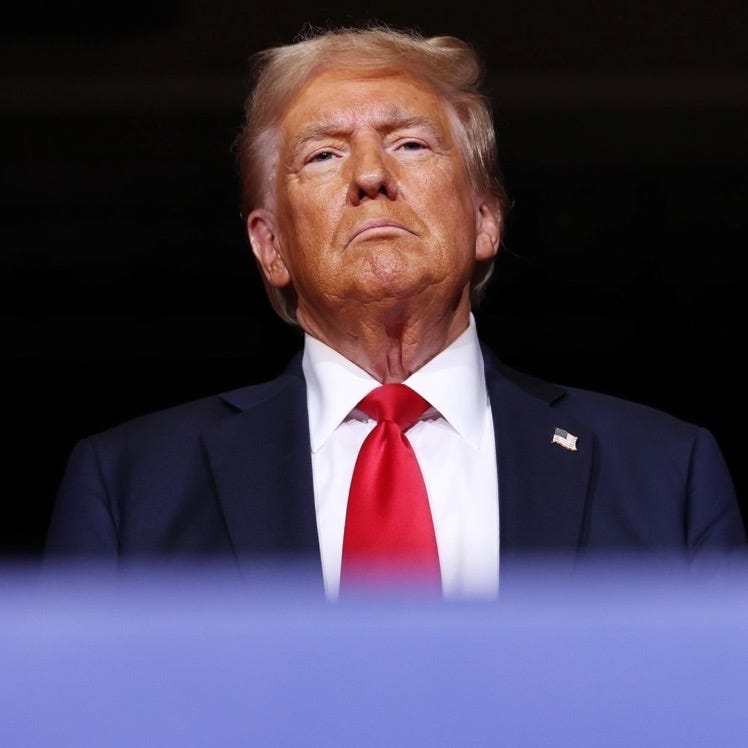
Trump had every opportunity to challenge the 2020 result. He had recounts, audits, state proceedings, federal litigation, his own Justice Department, his own intelligence community, and officials from his own party examining his claims.
He lost the election.
He also lost the effort to overturn it.
A president may expose a genuine vulnerability, order an investigation supported by law, and ask Congress to strengthen election security.
He cannot legitimately use control of the intelligence community to transform his personal refusal to accept defeat into an official finding of the United States government.
Thursday’s evidence deserves scrutiny.
Trump’s preferred conclusion deserves no presumption of truth unless the evidence reaches it.
In a constitutional republic, the president does not decide whether the voters were allowed to defeat him.
Postscript: Why I Am Drawing This Line
I have done this myself. I have explained away warning signs because I wanted to believe that someone did not really mean what they were saying.
History shows how badly that instinct can end. Nations are vulnerable to the same human weakness.
Studying Europe’s destruction in the 1940s, Stalin’s Soviet Union and the regimes it imposed across Eastern Europe, and the military dictatorships and strongmen of South America has made that history less abstract to me.
These histories are not interchangeable, and the United States is not living through an exact replay of any one of them.
History rarely repeats that neatly.
The method, however, is remarkably consistent.
Authoritarianism rarely introduces itself by announcing the end of freedom. It arrives as an exception. An emergency. A temporary correction. A necessary response to enemies, corruption, disorder, or fraud.
It asks people to suspend one rule, excuse one abuse, and trust one leader with power the Constitution deliberately withheld from him. Normal government, everyone is assured, can return afterward.
Too often, afterward never comes.
That is why Memory comes first in Memory. Markets. Meaning.
Memory is a defense mechanism. It reminds us that institutions do not protect themselves, that constitutional limits matter most when breaking them feels urgent, and that surrendering democracy to save it is how republics are lost.
I believe this country can still renew itself. Much of what I intend to build through this publication and beyond rests on that belief.
Wherever that work leads, any American renewal worth building must begin with one immovable principle:
No party above the country. No president above the Constitution. No leader above the voters.
Sources by Claim
Trump’s speech and voting-machine remarks: AP, Reuters, CNBC
Internal administration account and official quotations: MS NOW
Pulte, Solomon, and the declassification project: Reuters, MS NOW
Fulton County FBI surge: AP
Ballot-retention ruling: The Washington Post, court order
Election-worker subpoena ruling: AP, court order
Georgia audit history: Georgia Secretary of State
Crossfire Hurricane precedent: Federal Register declassification order
Next in The Second Campaign Against the Vote: A Plan Is Not a Vote, examining the crucial distinction between foreign influence, technical vulnerability, attempted interference, and evidence that an election outcome changed.
Ever hear of the movie 2000 mules by D’nesh D’Souza? There is video evidence of ballot stuffing in drop boxes.
If there was no cheating by Democrats why do Democrats so strenuously oppose an audit? If I didn’t cheat I would want an examination to show I was telling the truth. Why are Democrats so afraid of election audits of people who voted. Enquiring minds want to know. W. Manion, MDPhDJDMBA