
What the Establishment Won
The Lost Generation of American Politics — Episode II

This essay continues the argument begun in Episode 1:

The Democratic Party stopped Bernie Sanders twice.
Both times it won the popular vote.
Both times it lost something far more important.
On the evening of March 2, 2020, the Democratic primary effectively ended in Dallas.
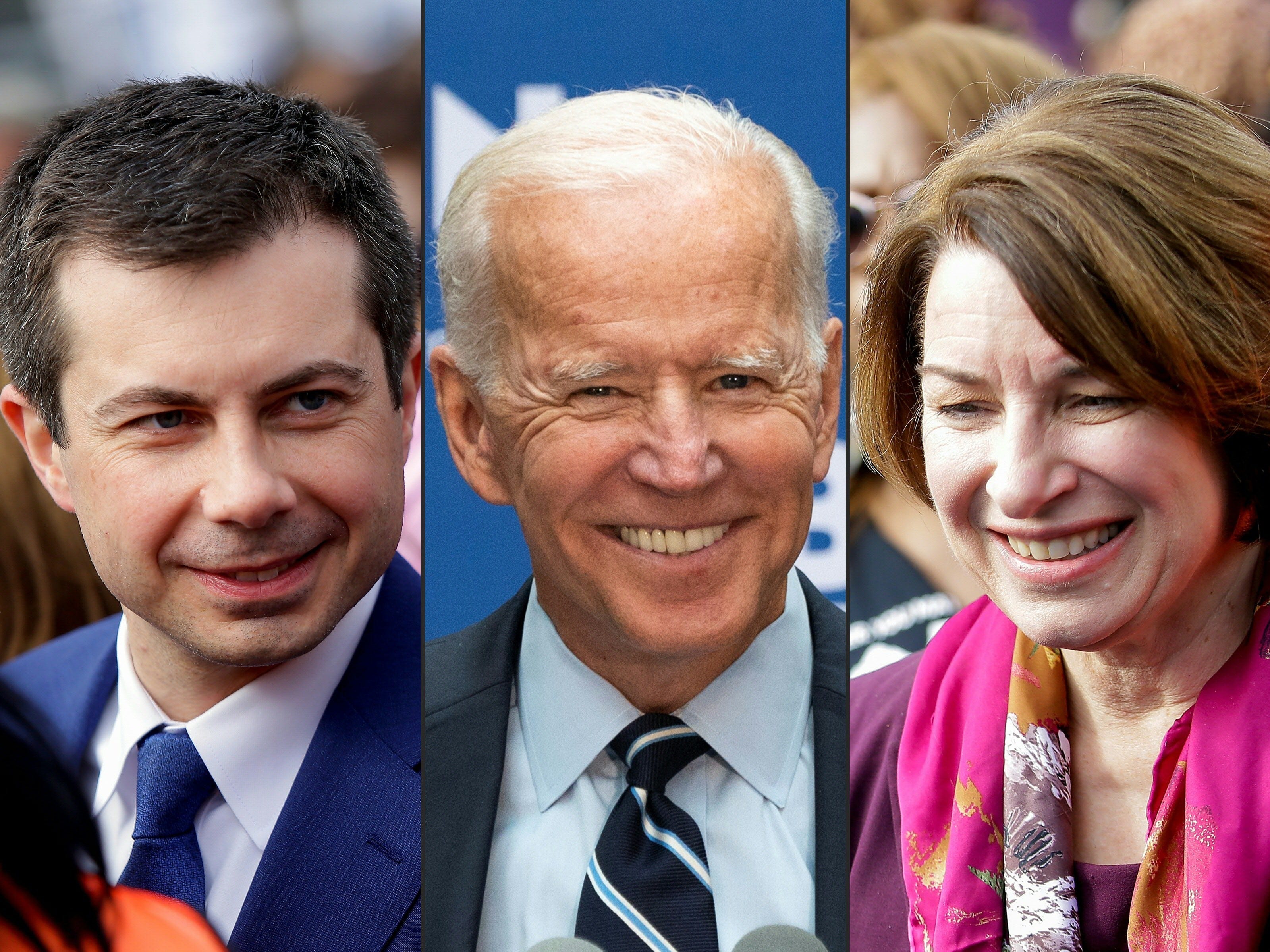
Pete Buttigieg had flown in from South Bend. He had won more pledged delegates in Iowa than anyone else in the field. Amy Klobuchar had survived New Hampshire. Both had spent months and millions competing against the man they now stood beside, one night before Super Tuesday.
The endorsements did not happen by chance.
After South Carolina, Barack Obama spoke with Joe Biden. The night before the rally, he also spoke with Buttigieg, telling him, according to people familiar with the conversation, that “he would never have more leverage than on the day he left the race.”
In private, Obama encouraged Democratic unity while remaining publicly neutral.
By the next morning, the moderate wing had effectively united behind one candidate.
Biden won 10 of the 15 Super Tuesday contests.
By April 8, Sanders had withdrawn.
The strategy succeeded.
The consequences are still unfolding.
What South Carolina Decided
Jim Clyburn endorsed Joe Biden on February 26, three days before South Carolina voted.
What mattered was the weight of the endorsement.
Clyburn, the state’s most influential Black political leader, appeared beside Biden and declared:
“I want the public to know that I’m voting for Joe Biden. South Carolinians should be voting for Joe Biden.”
Biden won the primary by 29 points.
The victory restored donor confidence, confirmed his strength among Black voters, and gave party leaders a single candidate around whom to consolidate before Super Tuesday, the most delegate-rich day on the calendar.
Michael Bloomberg remained in the race through Super Tuesday before dropping out the following day.
By March 3, the contest had become Biden versus Sanders.
Sanders went from leading much of the Super Tuesday polling to winning only four of the fifteen contests. The institutional apparatus had done exactly what it was designed to do.
What followed was the cost of that success.
Four Years Earlier
To understand why this mattered, go back to 2016.
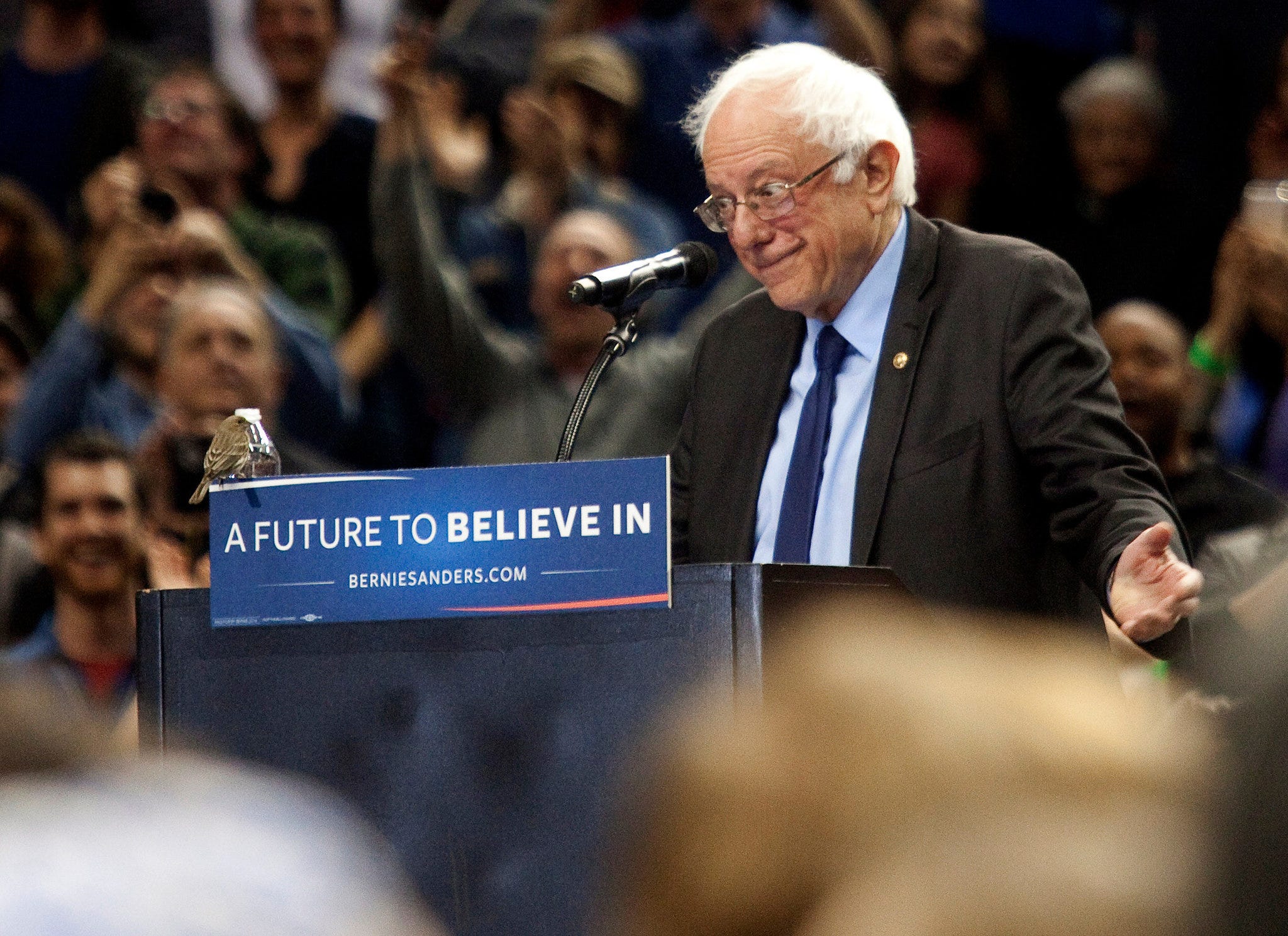
Bernie Sanders challenged Hillary Clinton after entering the race in 2015.
He did so without the support of party leadership, major institutional endorsements, or a super PAC.
He raised $180 million from small donors, won 22 states, received roughly 13 million votes, and finished with about 46 percent of pledged delegates.
What happened next became the origin story of the movement now winning Democratic primaries in New York.
On July 22, 2016, three days before the Democratic National Convention opened in Philadelphia, WikiLeaks published emails hacked from the Democratic National Committee.
The emails showed DNC officials communicating in ways that favored Clinton. One suggested Sanders’ lack of religious observance could be used against him in Southern states. Others discussed his campaign dismissively.
On July 24, amid the fallout, Debbie Wasserman Schultz announced she would resign as DNC chair after the convention. She stepped down before the convention formally opened on July 25.
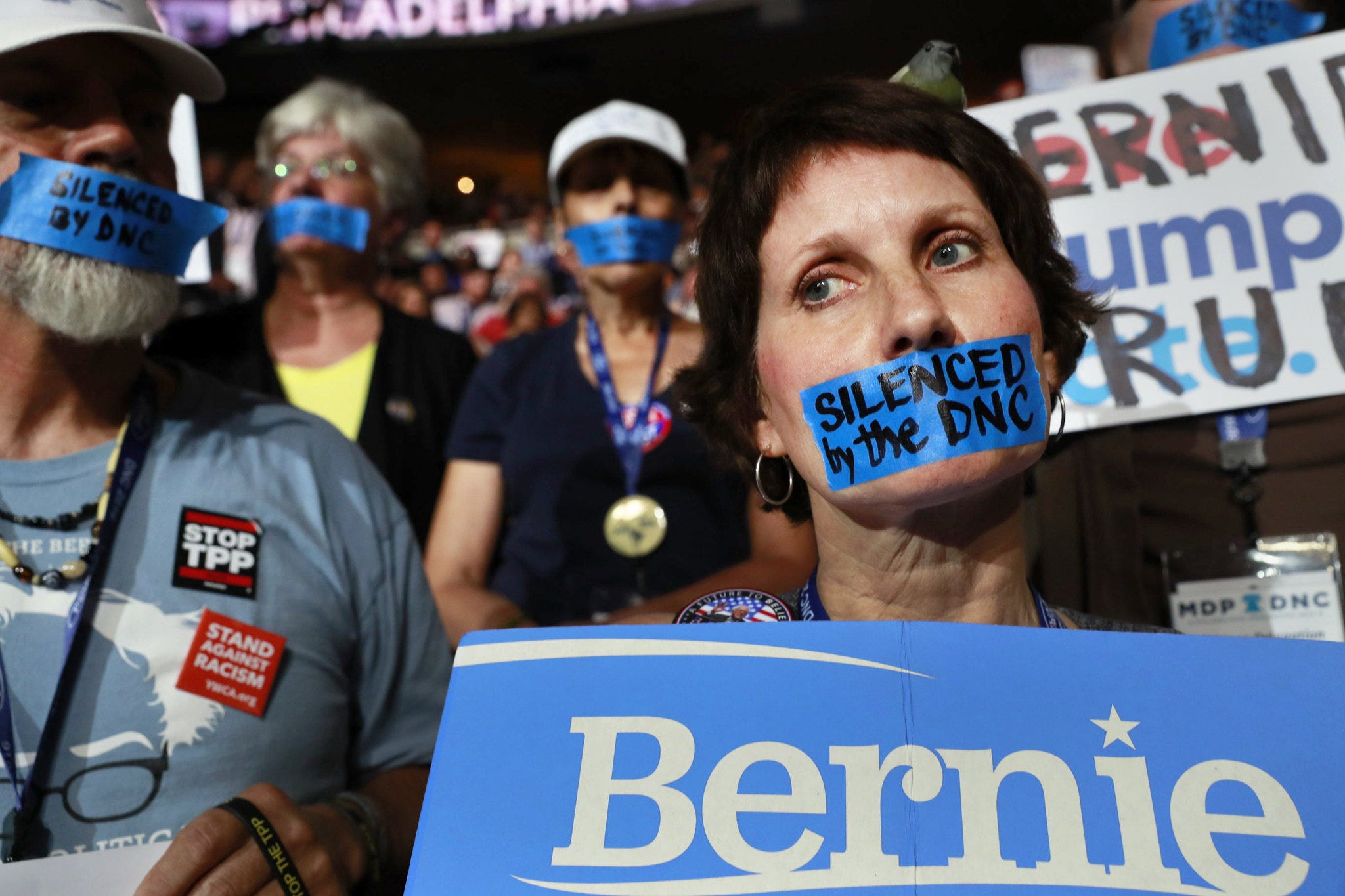
For months, the Sanders campaign had argued that the party had its finger on the scale.
The emails gave that argument new credibility.
What they suggested and what they proved were not the same thing.
The Record
Hillary Clinton won the popular vote by 3.7 million votes. She carried 29 of the 39 primaries. Her lead in pledged delegates would have held even if superdelegates had not existed.
The proportional delegate system Sanders supporters argued disadvantaged him actually extended his campaign.
Clinton won South Carolina by 47 points and received 39 delegates to Sanders’ 15. Under Republican winner-take-all rules, she would have received all 39 delegates. The Democratic system allowed Sanders to keep accumulating delegates in states he lost by wide margins.
Sanders performed best in caucuses, winning 12 of 14.
Those contests were administered by state Democratic parties.
The irony is difficult to ignore. Sanders’ strongest performances came in the contests most directly managed by the institution he argued was working against him.
Open primaries also favored Sanders in ways the “rigged” narrative rarely acknowledges.
He won independent voters in 23 of the 26 states with exit-poll data.
Among registered Democrats, he lost 66 percent to 33 percent.
Had every Democratic primary been closed to registered Democrats, Clinton’s victory would likely have come earlier and by a wider margin.
After becoming interim DNC chair, Donna Brazile looked for evidence that the primary itself had been manipulated.
She found the August 2015 joint fundraising agreement, under which Clinton’s campaign assumed the DNC’s $24 million debt in exchange for broad influence over the committee’s finances and operations.
Brazile described the arrangement as ethically troubling but not illegal.
She found no evidence that votes or delegate allocations had been rigged.
Clinton won because Democratic voters preferred her.
The historical record is clear on that point.
The Founding Myth
A founding myth is not simply a false story.
It is a narrative that shapes identity and action whether every element is literally true or not.
Its power comes from what it inspires, not from perfect historical accuracy.
The Democratic insurgency built its founding narrative from real events.
The DNC emails.
The joint fundraising agreement.
The superdelegate rollout, which made Clinton’s nomination appear inevitable before a vote was cast.
The debate schedule.
The Iowa caucus app failure in 2020.
The stage in Dallas.
None of those events proves the primary was rigged.
Together, they became the movement’s story.
Millions of people believed it.
Thousands organized around it for the next decade.
The establishment’s mistake was not that Clinton won unfairly.
It was allowing enough questionable decisions to accumulate that a generation of activists stopped trusting the institution itself.
The process produced the outcome Democratic voters chose.
The institutions running it also gave their opponents a story that outlived every rebuttal.
The Second Loss
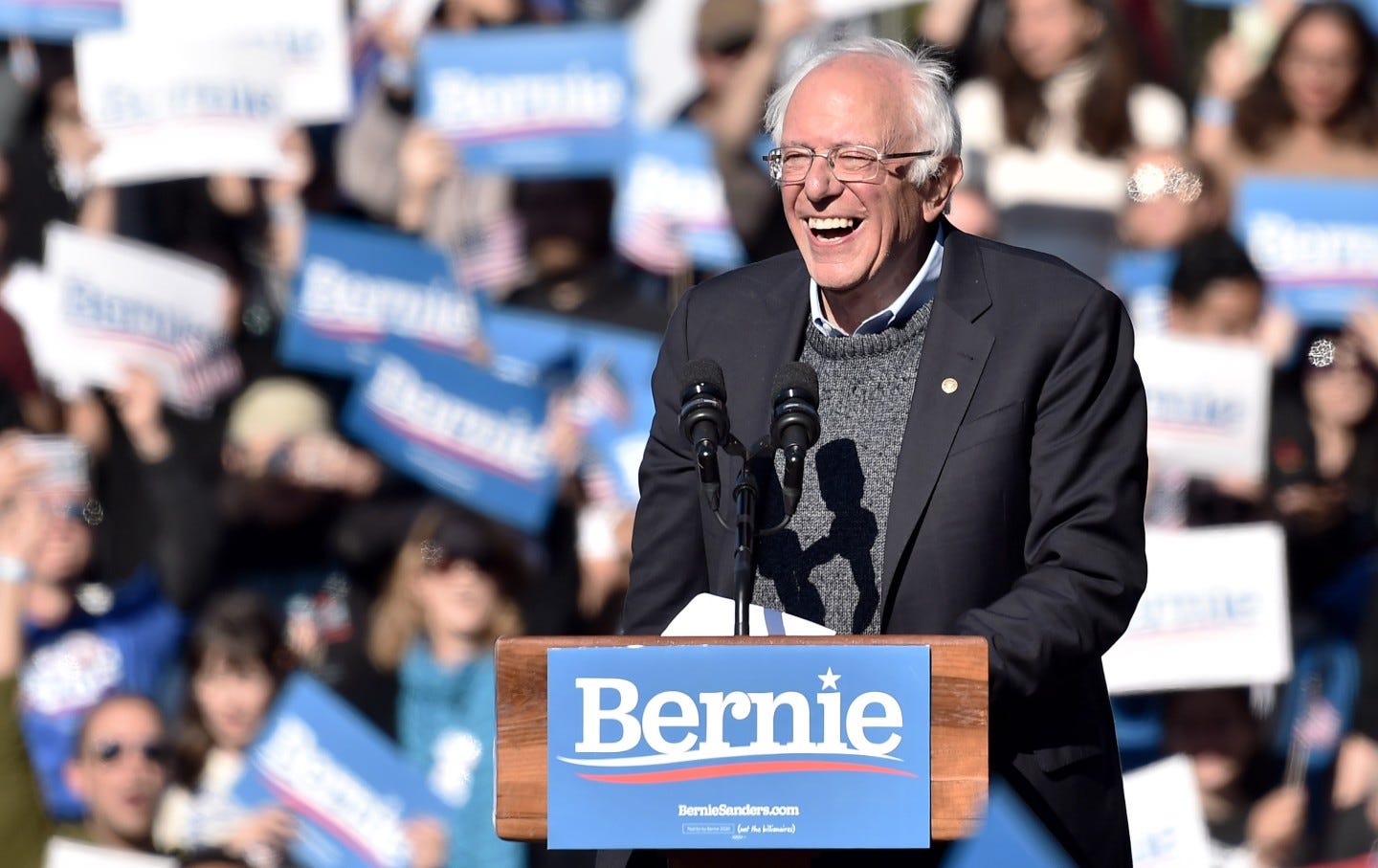
Bernie Sanders ran again in 2020 and lost by a wider margin.
He underperformed his 2016 vote share in every state. Across Super Tuesday, his average vote share fell by 19.4 percentage points. In Vermont, it dropped from 86 percent to 50.7 percent.
Part of Sanders’ 2016 coalition reflected opposition to Hillary Clinton as much as support for Sanders himself.
In 2020, he lost registered Democrats by 66 percent to 33 percent, almost identical to 2016.
The results suggest that many voters who backed Sanders in 2016 were protesting Clinton as much as embracing Sanders’ agenda.
The Democratic establishment did not stop a candidate who commanded a majority of the party.
It stopped a candidate whose coalition extended well beyond his ideological base.
The founding myth held that the party had taken victory away from the people.
The electoral record shows a party that remained deeply divided.
The Democratic establishment won the nomination twice.
The movement won the decade that followed.
What They Built Instead
The organizational response began within months of the 2016 election.
On January 23, 2017, Justice Democrats was founded in Washington by Saikat Chakrabarti, Zack Exley, Kyle Kulinski, and Cenk Uygur.
Two were Sanders campaign veterans.
The founding narrative supplied the energy.
Justice Democrats supplied the institutional infrastructure.
Its mission was straightforward: challenge Democratic incumbents in primaries, recruit candidates who refused corporate PAC money, and move the caucus left from within.
In 2018, the organization backed 79 candidates.
Seven won seats in Congress.
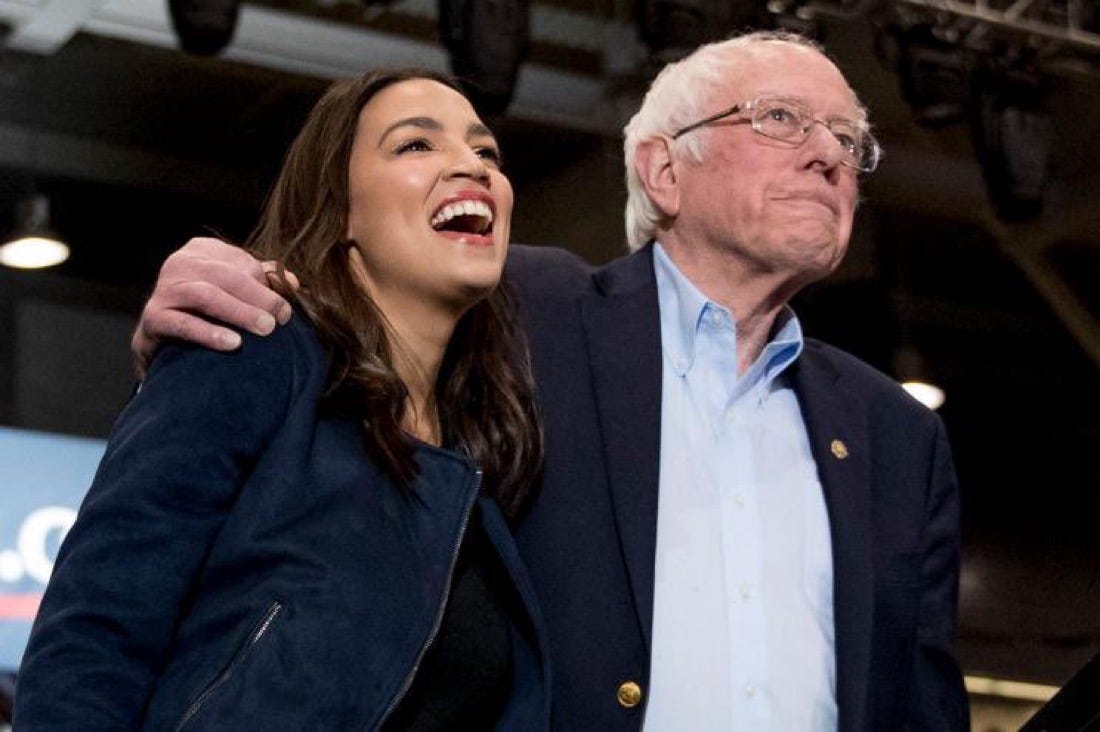
One was a 29-year-old former bartender from the Bronx who defeated a 10-term member of House Democratic leadership.
On June 26, 2018, Alexandria Ocasio-Cortez defeated Joe Crowley.
The Democratic Socialists of America expanded alongside it.
Membership stood at roughly 5,000 before 2016. By the end of 2017, it had reached 30,000. By the end of 2025, it stood at 92,912.
Growth followed Trump’s 2016 victory, Alexandria Ocasio-Cortez’s breakthrough in 2018, the overlapping crises of 2020, Trump’s return in 2024, and Zohran Mamdani’s mayoral campaign in 2025.
That is how institutions grow.
They accumulate capacity while movements accumulate moments.
The Bill
The Democratic establishment won the nomination in 2016 and 2020.
On the popular vote, it was right both times.
What it never won was the argument over what those victories meant.
The joint fundraising agreement, the DNC emails, and the superdelegate rollout all became part of a narrative that endured for a decade.
Party leaders offered rebuttals.
They never persuaded the people who had already organized around a different conclusion.
The 2020 consolidation was the establishment’s last successful institutional counteroffensive.
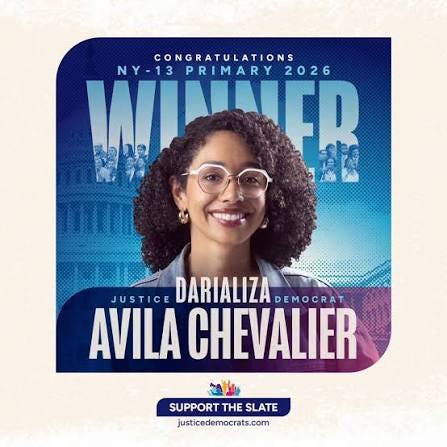
Within five years of the rally in Dallas, Zohran Mamdani had won the New York City mayoralty.
Within six, his network helped elect three congressional candidates.
Two defeated sitting members of Congress. One unseated the chair of the Congressional Hispanic Caucus.
Political institutions often survive immediate crises by postponing their costs.
The Democratic establishment postponed them twice.
The bill arrived anyway.
Three Forecasts
I separate these forecasts so each stands on its own.
The 2028 Democratic presidential primary produces a major public fight over the fairness of the nominating process. The insurgent wing is larger, better organized, and less willing to trust party leadership than it was in 2016 or 2020. 45 percent.
The Democratic National Committee elects a chair aligned with the insurgent wing before the 2028 presidential primary begins. The institutional wing still holds most of the party’s formal power, but that advantage is shrinking. 35 percent.
The Democratic establishment fails to unite behind a single candidate before voting begins in 2028. The coordination that stopped Sanders in 2020 will be much harder to repeat against a larger, better-organized movement. 60 percent.
The Machine in Dallas
On the evening of March 2, 2020, Pete Buttigieg and Amy Klobuchar stood beside Joe Biden in Dallas and endorsed him as the cameras rolled.
The Democratic Party’s institutional machinery operated in full public view. It was less comfortable than working behind the scenes, but the urgency outweighed the visibility.
The calculation was correct.
The machine performed its function.
The people running it did not expect the audience to spend the next decade taking notes.
By the time they realized those notes had become organizations, candidates, and institutions of their own, the battle they had won was already history.
E.J.M. — The Fourth Turning Point
Previous: Episode I — The End of Permission
Next: Episode III — What the Tea Party Actually Got: Republicans won their revolution and discovered it had no instructions.
Pledge a future paid subscription to support The Fourth Turning Point and keep independent journalism independent.
Sorry, no comments for a couple of days. I lost one of my dogs to cancer, still grieve over him.
Democratic Progressives/Socialists want to claw back the protections of The Square Deal, The New Deal, The Fair Deal, and Civil Rights that have been systematically eroded, since the second Nixon administration by Republicans. Democratic Progressives want to remind the Corporate Democrats to return their Roots and “dance with those that brung 'em” to the party.