
Axis Activation
External War as Internal Stabilizer.

THE FOURTH TURNING POINT
Strategic Analysis Series
STATUS: Ongoing Conflict Assessment
This briefing examines how a regime under extreme internal pressure may try to survive by setting the wider region on fire.
This analysis follows the first briefing:
“The Death of Khamenei: Decapitation Is Not Collapse.”

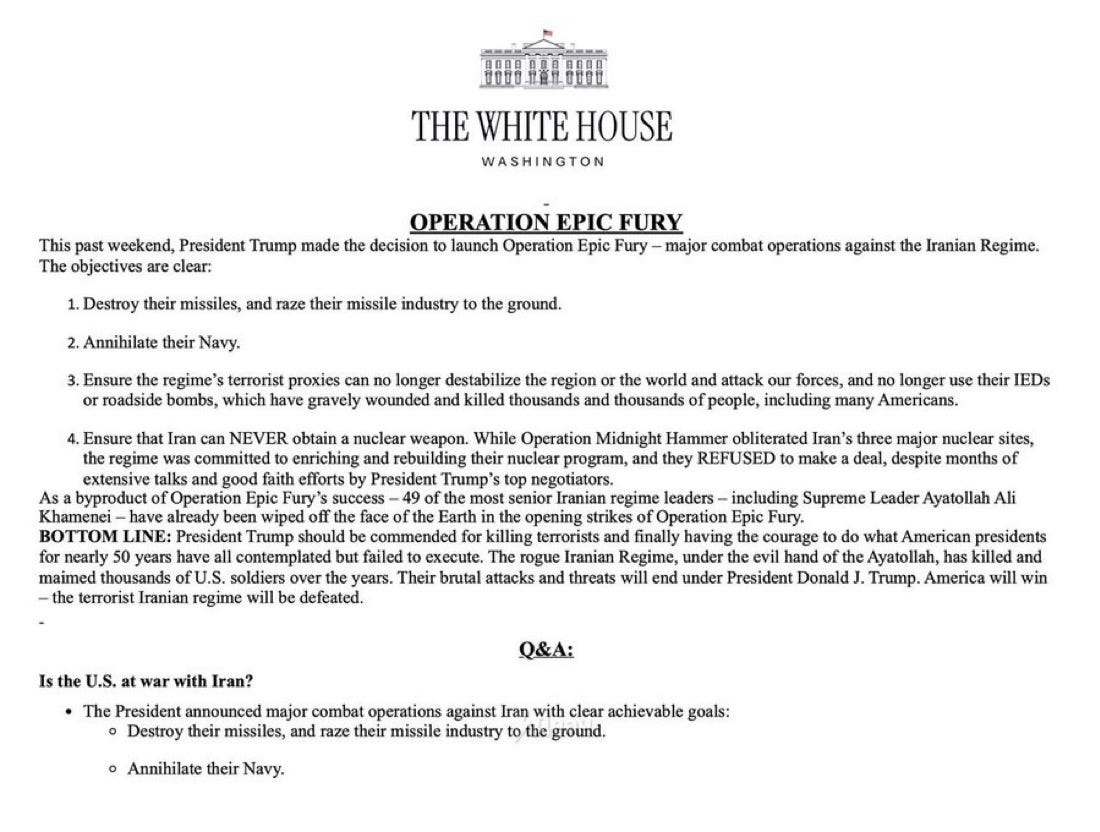
The initial report examined whether the Islamic Republic’s institutions could withstand the shock of decapitation after the assassination of its Supreme Leader.
This briefing moves to the next stage of the system’s response:
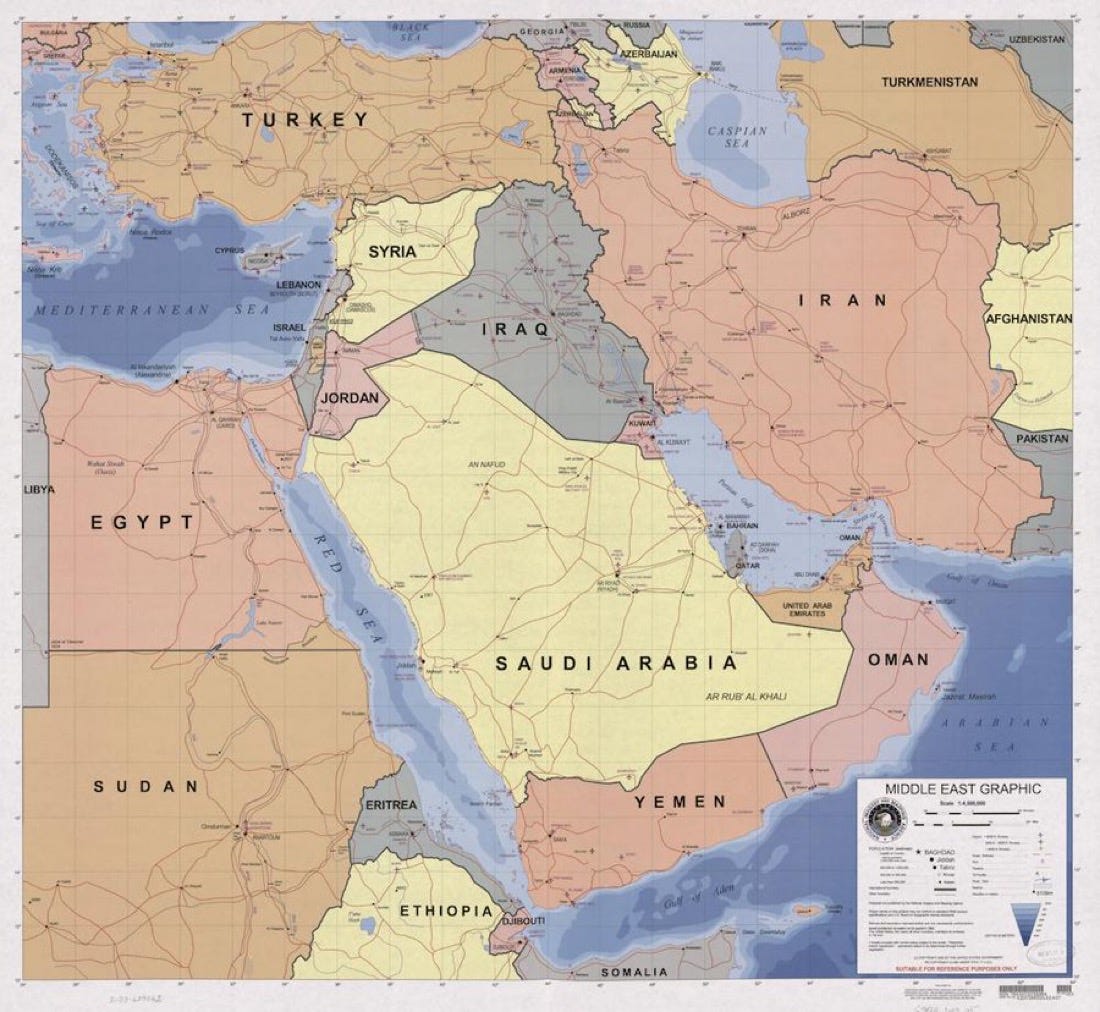
The widening activation of Iran’s regional network, and the logic that pushes the conflict outward.
WAR CLOCK
T+0
Feb 28, 2026 | 01:30 EST
The first wave of U.S.–Israel strikes begins.
T+113h
Mar 4, 2026 | 19:00 EST
Axis network signals continue.
SNAPSHOT — Conflict Status
Cutoff: March 4, 2026 | 7:00 PM EST
It has now been 113 hours since the first strike.
• Iranian missile and drone attacks now recorded across 10+ regional states
• Hezbollah has entered the conflict from Lebanon
• Iraqi militia networks launching drones toward U.S. facilities
• Houthi leadership warning Saudi Arabia against intervention
• Threat issued to close the Bab al-Mandab Strait if Saudi forces enter the war
• Regional airspace disruptions continuing
• Maritime risk increasing in both Hormuz and the Red Sea corridor
The conflict is now widening toward a regional war.
Confirmed Casualties
• 6+ American soldiers confirmed dead
• 18+ American personnel injured
• Iranian casualties unknown.
Market Reaction Since First Strike
S&P 500: 6,866 → 6,878 (+0.17%)
VIX: 19.87 → 21.18 (+6.59%)
WTI Oil: 67.05 → 75.84 (+13.11%)
Average U.S. Gasoline (Regular): 2.997 → 3.198 (+6.71%)
U.S. markets remain relatively contained while energy prices continue adjusting to rising shipping risk in the region.
KEY JUDGMENTS
• The assassination of Iran’s Supreme Leader has pushed the regime into one of its most vulnerable moments in decades.
• History shows a familiar pattern: regimes under existential strain often push conflict outward to stabilize the system at home.
• Iran’s proxy network allows escalation across multiple regional theaters without relying entirely on conventional forces.
• The network is now activating across Lebanon, Iraq, and the Red Sea corridor.
• External escalation may buy the regime time internally, but it raises the risk of regional war.
I. Pressure Creates Projection
The Iranian political system is facing one of its most severe stress tests in decades.
Supreme Leader Ali Khamenei is dead.
Senior commanders within the Islamic Revolutionary Guard Corps have been eliminated in targeted strikes.
Early reporting suggests potential disruption across some Iranian command channels.
The regime has imposed a near-total internet blackout across the country.
Basij and internal security forces have deployed across major cities.
Open-source reporting indicates some civilians attempting to flee toward the Turkish border.
This combination creates a moment of regime vulnerability.
When governing systems face this level of pressure, external conflict often becomes politically useful.
Foreign confrontation reframes internal instability as an external threat.
Political legitimacy shifts away from internal governance and toward national resistance.
The narrative changes quickly.
What begins as domestic crisis becomes a civilizational struggle.
II. The Architecture of the Axis
Iran’s regional proxy network is often described as a loose collection of militant groups.
In practice it functions as a distributed strategic system.
Northern Front — Hezbollah
Drone attacks on Israeli radar installations and rocket strikes toward northern Israel signal early activation. Hezbollah’s missile arsenal and geographic proximity make it the most powerful component of the network.
Central Corridor — Iraqi Militias
Groups within the Islamic Resistance in Iraq, including Kataib Hezbollah and other Popular Mobilization factions, have launched drone attacks on facilities linked to U.S. forces in Iraqi Kurdistan and on American bases across Iraq.
Southern Lever — Houthis
Arab intelligence reporting indicates that Houthi leadership has warned Saudi Arabia that intervention against Iran could trigger missile and drone strikes against Saudi targets.
Houthi officials have also threatened to block the Bab al-Mandab Strait.
This corridor connects the Red Sea to the Indian Ocean and moves a large share of global trade and energy shipments.
Within this structure, escalation spreads across multiple fronts.
Pressure can emerge simultaneously across multiple fronts without requiring Iran to rely solely on its conventional forces.
III. Why Expansion Buys Time
External conflict reshapes politics inside the country.
Internal instability can be reframed as national resistance.
That shift produces several stabilizing effects.
Elite Cohesion
Factional competition inside the regime becomes secondary when the survival of the system itself appears threatened.
Public Solidarity
Populations unhappy with their government often rally temporarily once a foreign confrontation becomes the main national story.
Information Control
Wartime conditions justify communication blackouts, security deployments, and tightly controlled messaging.
None of these dynamics resolve the regime’s structural pressures.
But they can delay fragmentation.
Time becomes the strategic resource.
IV. The Gulf Dilemma
Iran’s retaliation campaign has widened the battlefield beyond Israel.
Missiles and drones have targeted Gulf infrastructure including energy facilities, ports, logistics hubs, and U.S.-linked bases.
The Gulf states did not initiate this conflict.
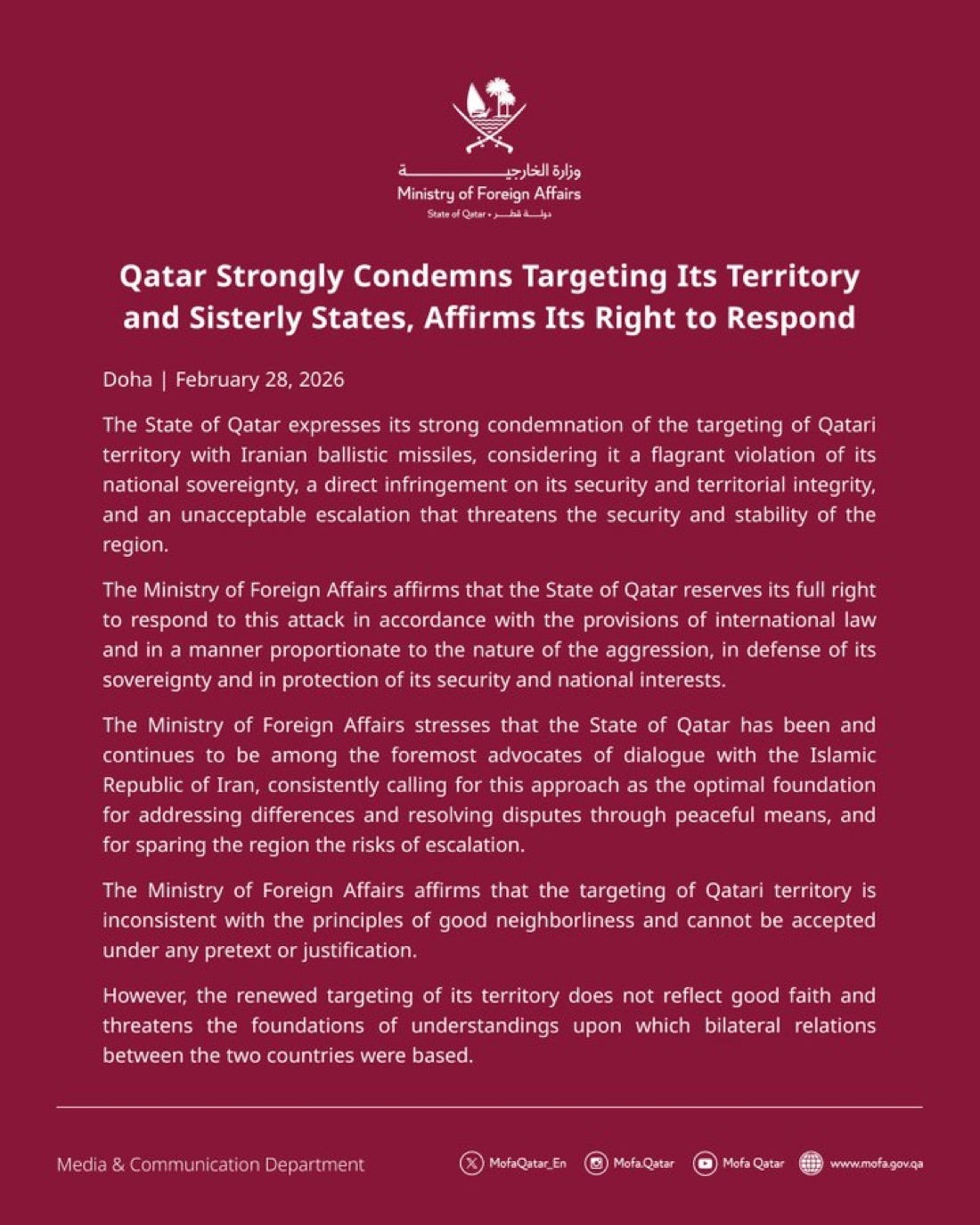
Yet geography and alliance structures draw them into its consequences.
Saudi Arabia now faces a delicate calculation.
Security around King Salman and Crown Prince Mohammed bin Salman has reportedly increased following warnings that the Houthis may launch missile or drone strikes against Saudi targets.
At the same time, Saudi officials appear to be allowing the United States and Israel to continue operations against Iran without direct Saudi military entry.
The reason is clear.
Direct Saudi intervention could trigger Houthi escalation along the kingdom’s southern border and in the Bab al-Mandab Strait.
That would expand the conflict from the Persian Gulf to the maritime routes connecting Europe and Asia.
For Riyadh, the decision is not purely military.
It is economic and systemic.
V. Strategic Tradeoff
Externalizing conflict can stabilize regimes in the short term.
It redirects political pressure outward and delays internal fragmentation.
But the strategy carries escalating risks.
Regional war disrupts energy markets, damages infrastructure, and raises the risk of wider conflict.
Each additional front creates new pathways for escalation.
For leadership under existential pressure, those long-term risks may still be acceptable.
In moments like this, immediate survival often outweighs future stability.
The Iranian regime does not need to dominate the region.
It needs to prevent fracture at home.
THE FOURTH TURNING POINT
Strategic Analysis by Ethan J. Martinez
🇨🇦💙Will trump come begging to Zelensky for drone interceptors? The war in Iran is quickly depleting US weapons.
Iran’s Shahed-136 drone typically costs $20,000 to $50,000 per unit to manufacture, using off-the-shelf components.
Interceptor Weapon Costs:
High-end systems like Patriot PAC-3 missiles cost $3-4 million each to down a single drone.
NASAMS AIM-120 or AIM-9X missiles run $500,000-$1.2 million per shot.
Cost-effective options include :Ukraine’s 🚀 FPV interceptors at $1,000-$5,000. 🤔 trump on his knees is a lovely vision. 😏
Bet trump wasn’t expecting it to play out this way